Trolley Payouts Deep Dive: Global Mass Payment Infrastructure for Scalable Platforms
 stonemanchristoph@gmail.com
Introduction
In the digital economy, platforms must distribute funds quickly, securely, and across multiple jurisdictions. Whether paying creators, affiliates, vendors, or contractors, the operational burden grows with scale.
Trolley payouts are built to centralize and automate this complexity. Instead of coordinating multiple banking tools, spreadsheets, and compliance systems, businesses can manage global disbursements through one structured infrastructure.
This article explores trolley payouts from a systems and operational perspective.
About Trolley
Trolley is a fintech company specializing in mass payout automation. Its platform integrates recipient onboarding, global payment execution, tax documentation collection, and reporting tools into a unified environment.
Trolley payouts are commonly implemented by digital marketplaces, SaaS ecosystems, affiliate networks, and international contractor platforms.
System Architecture Overview
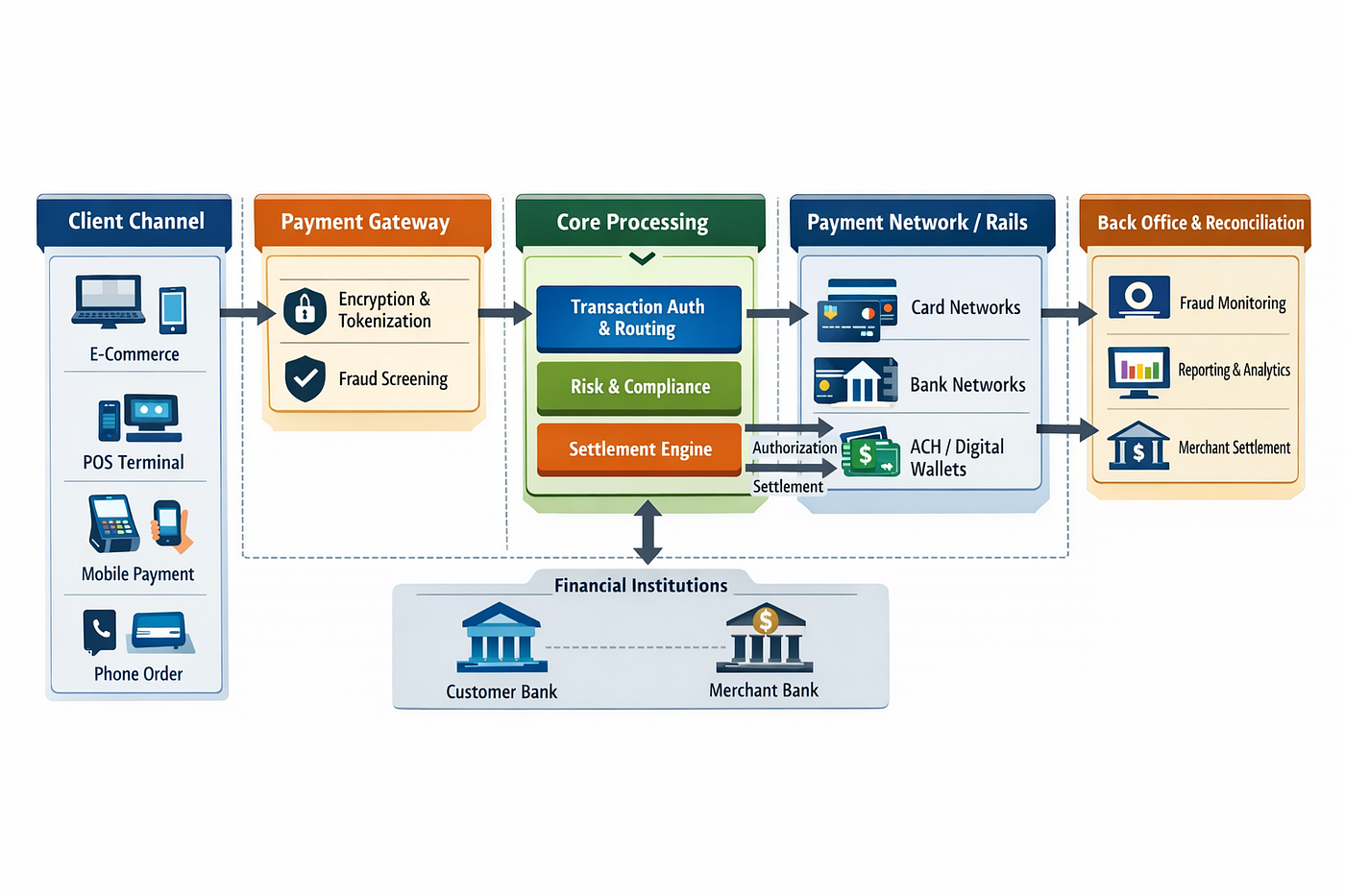


4
1. Onboarding Layer
Recipients securely submit:
- Bank account or payout details
- Tax documentation
- Identity verification information
Automated validation ensures data consistency and reduces manual intervention.
2. Payment Orchestration Engine
The payout engine coordinates:
- Domestic bank transfers
- Cross-border disbursements
- Multi-currency settlements
- Bulk payment execution
This layer enables scalable processing for thousands of transactions simultaneously.
3. Compliance Workflow Engine
Structured compliance processes include:
- Tax form collection
- Documentation validation
- Secure record storage
- Reporting preparation
Automation reduces compliance-related administrative overhead.
4. Reporting & Monitoring Layer
Finance teams access:
- Real-time transaction tracking
- Currency exchange summaries
- Exportable reconciliation reports
- Detailed audit logs
Centralized dashboards improve operational transparency.
Advanced Operational Features
API-Centric Design
Developers can integrate trolley payouts into their own systems using API endpoints, allowing automation of payment triggers, reporting pulls, and onboarding workflows.
Multi-Currency Infrastructure
The platform supports payments across numerous currencies, simplifying cross-border transactions and reducing reliance on external FX services.
High-Volume Batch Processing
Bulk payout functionality enables companies to execute large payment runs efficiently.
Enterprise Security Controls
Security practices typically include:
- Encrypted data transmission
- Role-based access management
- Audit trail logging
- Activity monitoring
These measures support secure enterprise deployment.
Industry Implementation Scenarios
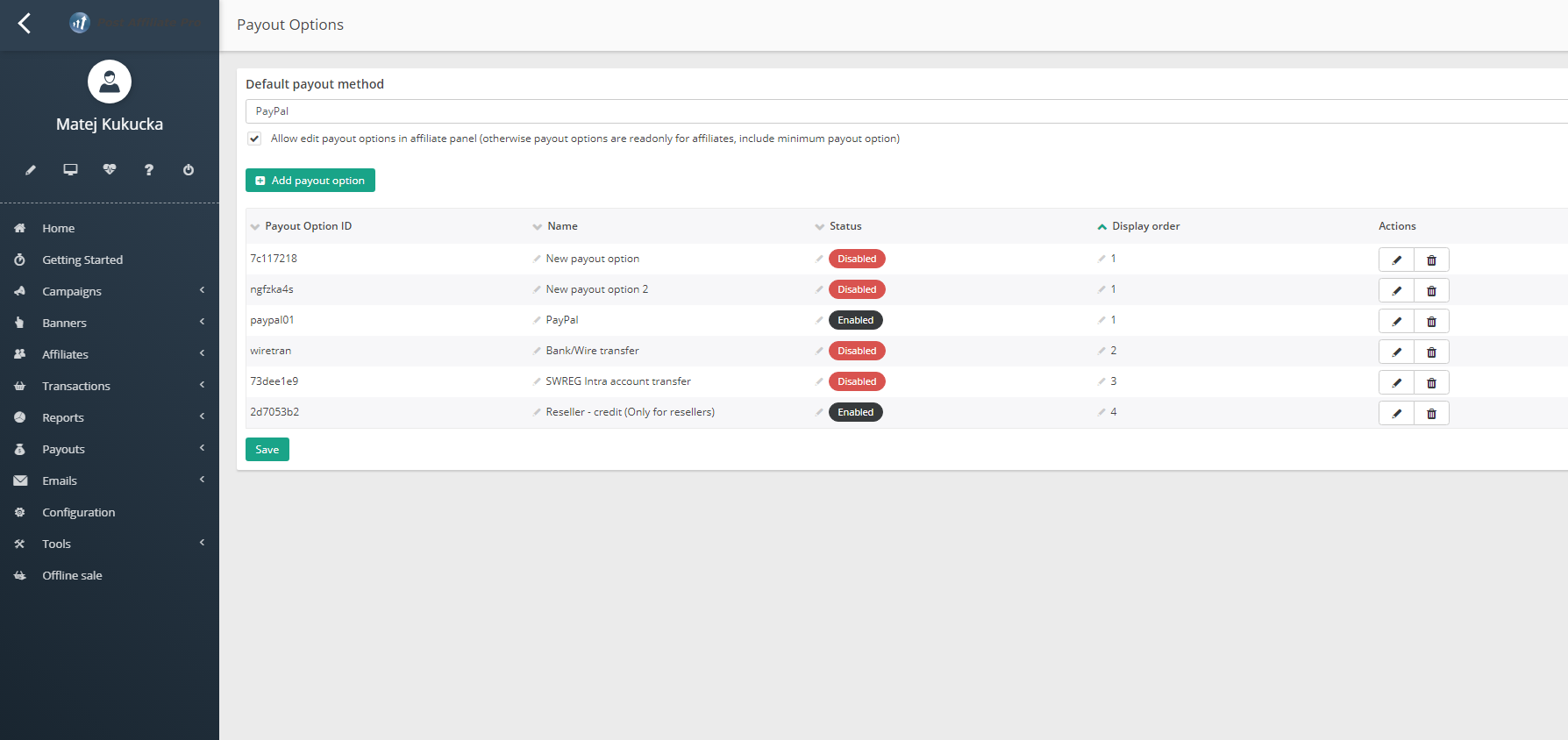
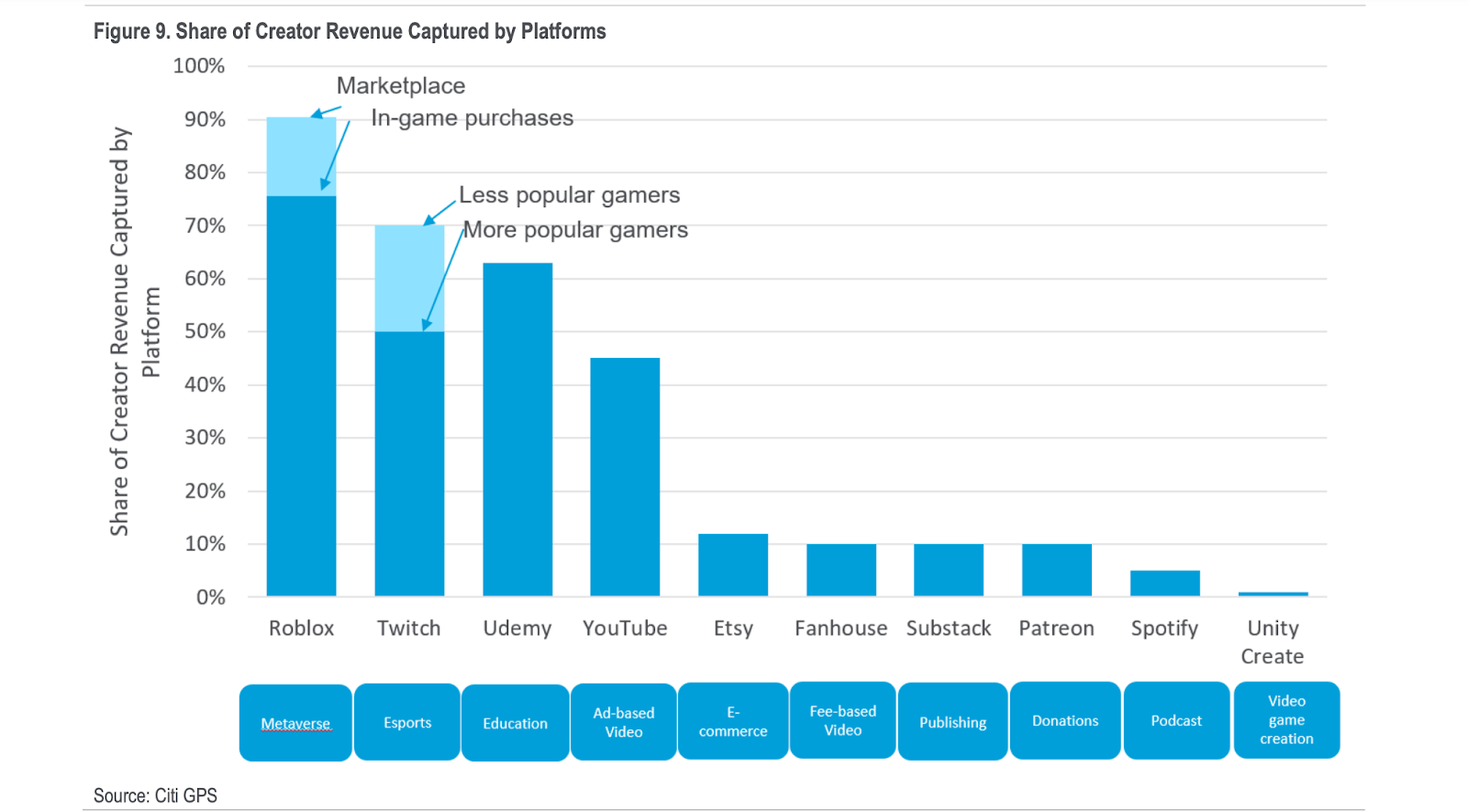
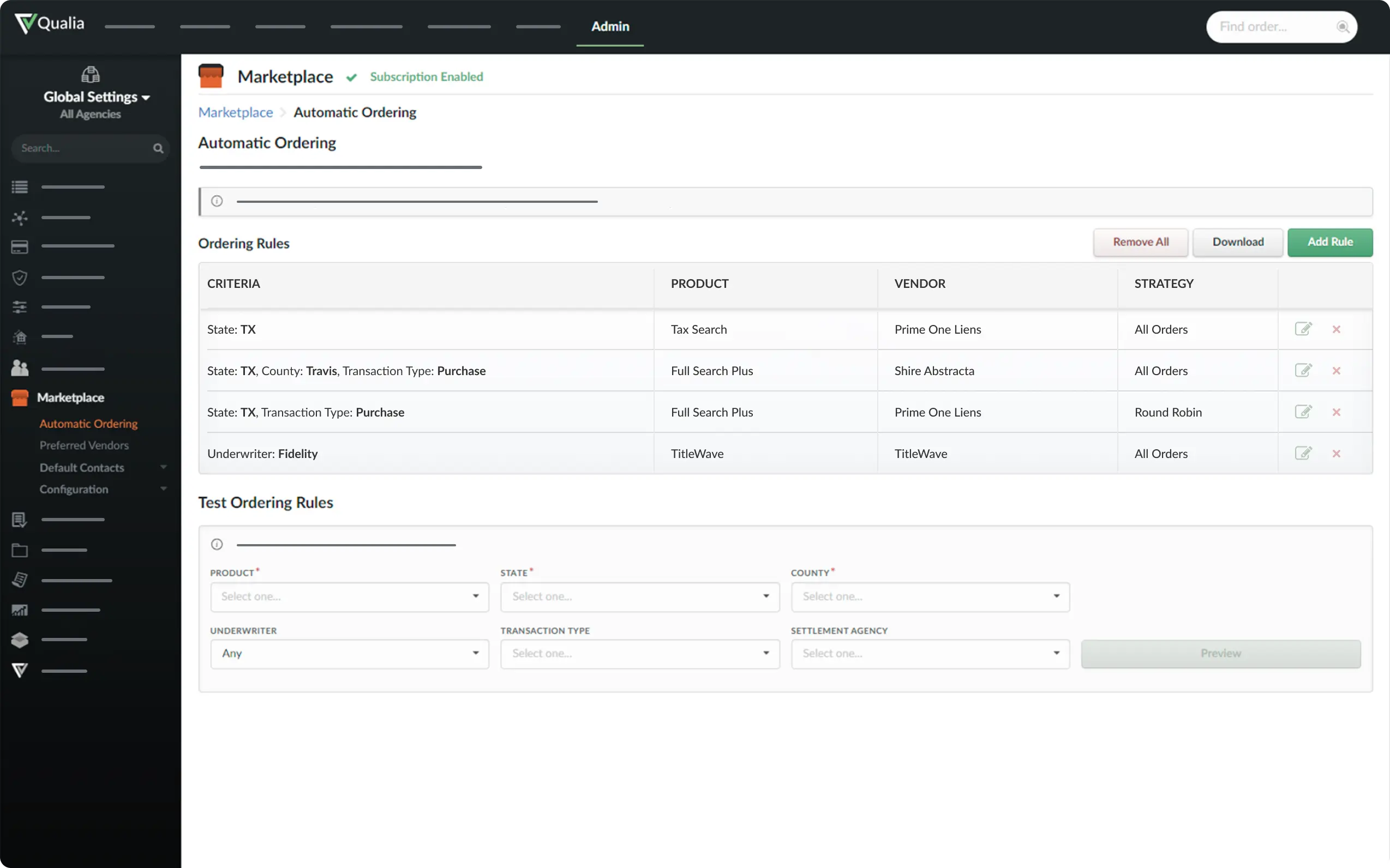
4
Trolley payouts are commonly used in:
- Affiliate marketing platforms
- Creator monetization ecosystems
- E-commerce marketplaces
- SaaS partner programs
- Global contractor networks
Businesses with recurring or performance-based payment models often require automated payout systems.
Business Advantages
Operational Efficiency
Automation reduces manual spreadsheet management and repetitive payment processing tasks.
Scalability
The system adapts to increasing payout volume without requiring proportional increases in operational resources.
Compliance Structure
Integrated tax documentation workflows support regulatory alignment across multiple jurisdictions.
Financial Transparency
Central dashboards provide oversight into payout cycles and historical transaction data.
Deployment Considerations
Organizations evaluating trolley payouts typically review:
- Geographic payout distribution
- Internal compliance requirements
- Integration capabilities
- Accounting system compatibility
- Growth projections
A phased rollout often helps streamline implementation.
Frequently Asked Questions
What are trolley payouts?
Trolley payouts refer to automated global mass payment services designed to streamline international disbursement workflows.
Are trolley payouts suitable for enterprise platforms?
Yes, the infrastructure supports high-volume batch processing and enterprise integration.
Does trolley payouts support multi-currency payments?
The platform includes multi-currency distribution capabilities.
Can trolley payouts integrate with existing systems?
API connectivity allows integration with internal financial and operational platforms.
Conclusion
Trolley payouts provide scalable infrastructure for automating global payment distribution. By combining onboarding, compliance automation, multi-currency support, and reporting tools, the platform simplifies complex payout operations.
For digital platforms expanding internationally, structured payout automation enhances efficiency, oversight, and long-term operational resilience.